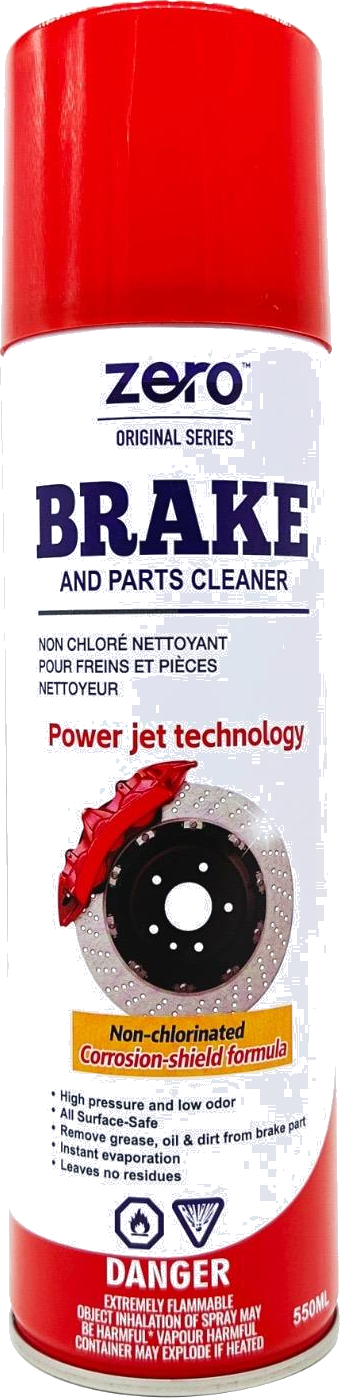
Brake & parts cleaner · Non-chlorinated · Rubber-safe · Power Jet spray · Low-VOC, 50-states formula · 550 mL
Corrosion Shield Formula Brake Cleaner
The red-cap cleaner for brake assemblies that sit between services. It strips contamination fast, then leaves a thin film that keeps flash rust off treated metal.
Overview
The red-cap corrosion-shield formula. A professional non-chlorinated brake and parts cleaner with Power Jet technology, engineered to strip oil, grease, brake dust, and hydraulic fluid from brake assemblies, fast. It flashes off and leaves a thin, clear film that shields the treated metal from moisture and flash rust between services.
Key properties
- Power Jet spray technology for aggressive, targeted cleaning action
- Removes oil, grease, brake dust, and hydraulic fluid
- Leaves a thin corrosion-shield film that resists moisture and flash rust
- Rubber-safe and plastic-safe: won't attack seals, boots, hoses, or painted finishes
- Non-chlorinated formula, shop-friendlier chemistry
Applications
Specifications
| Series | Corrosion Shield Formula |
|---|---|
| Format | Aerosol spray |
| Net contents | 550 mL |
| Solvent base | Non-chlorinated |
| Technology | Power Jet spray |
| VOC profile | Low-VOC, 50-states formula |
| Flash | Fast, leaves a corrosion-shield film |
| Compatible with | Rubber, plastics, painted surfaces, metal |
Safety & hazard classification
 Flammable
 Compressed gas
Aerosol under pressure. Read the label before use. Use only in well-ventilated areas. Keep away from heat, sparks, and open flame.
Related products
The rest of the lineup.
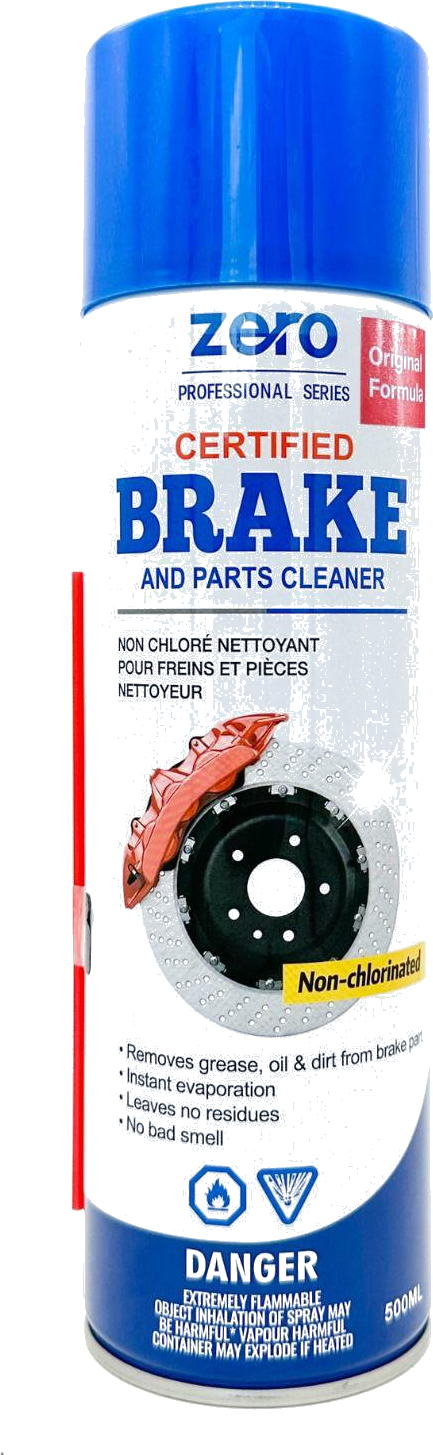
Brake & parts cleaner
Original Formula
The classic fast-flash cleaner. Strips contamination and dries residue-free, no wiping required.
View product →
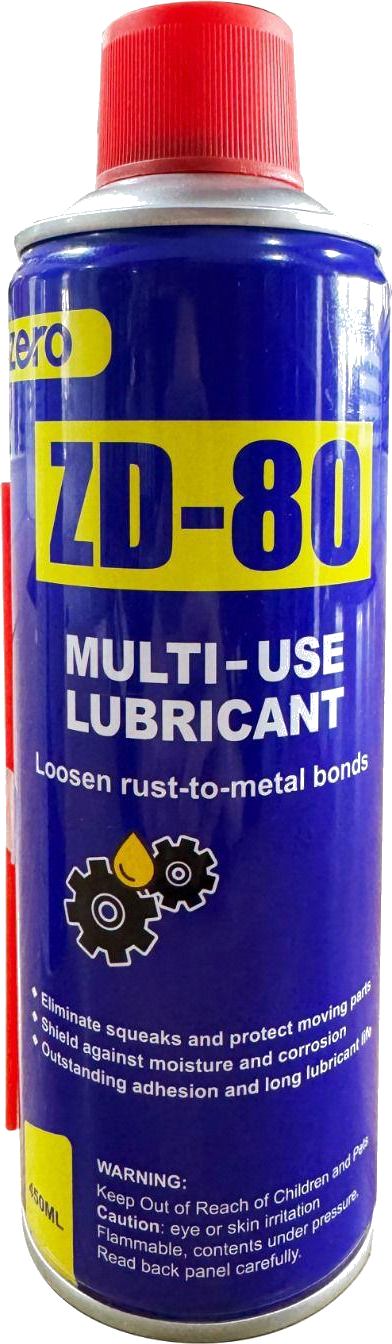
Penetrating lubricant
ZD-80 Multi-Use Lubricant
Penetrates rusted fasteners, kills squeaks, and leaves a long-lasting barrier against moisture and corrosion.
View product →
Good to know
Questions about Corrosion Shield.
Is Corrosion Shield a chlorinated brake cleaner?
No. Corrosion Shield is a non-chlorinated, low-VOC brake and parts cleaner. It avoids the health-restricted solvents used in chlorinated products while still cutting through oil, grease, brake dust, and hydraulic fluid.
Which surfaces is Corrosion Shield safe on?
The formula is safe on rubber, plastics, and painted surfaces, so it can be used around calipers, hoses, and undercarriage components without attacking seals or finishes. On sensitive or unknown plastics, test a hidden spot first.
Will the corrosion-shield film affect brake performance?
The thin film is intended for treated metal surfaces that need moisture and flash-rust protection between services. Keep it away from pad and rotor friction faces when reassembling a brake job, and allow the cleaner to fully flash off before putting the vehicle back into service.
Is Corrosion Shield a rubber-safe brake cleaner?
Yes. Overspray onto caliper seals, piston boots, and brake hoses won't swell or crack them, and it's safe on nearby plastics and paint. Let it flash off fully, and test unknown plastics in a hidden spot first.
What is brake cleaner made of?
Brake cleaner is a fast-evaporating solvent blend in a pressurized can. Chlorinated cleaners rely on solvents like PERC or methylene chloride. Non-chlorinated cleaners like Corrosion Shield use hydrocarbon and alcohol-type solvents instead. Corrosion Shield also adds a light protective component that leaves the corrosion-shield film. For the exact composition, ask us or your dealer for the Safety Data Sheet (SDS).
Is Corrosion Shield VOC-compliant?
Yes. It's a low-VOC, 50-states formula, so dealers can stock it in Canada and every US state, including those with strict consumer-product VOC limits.